

Services

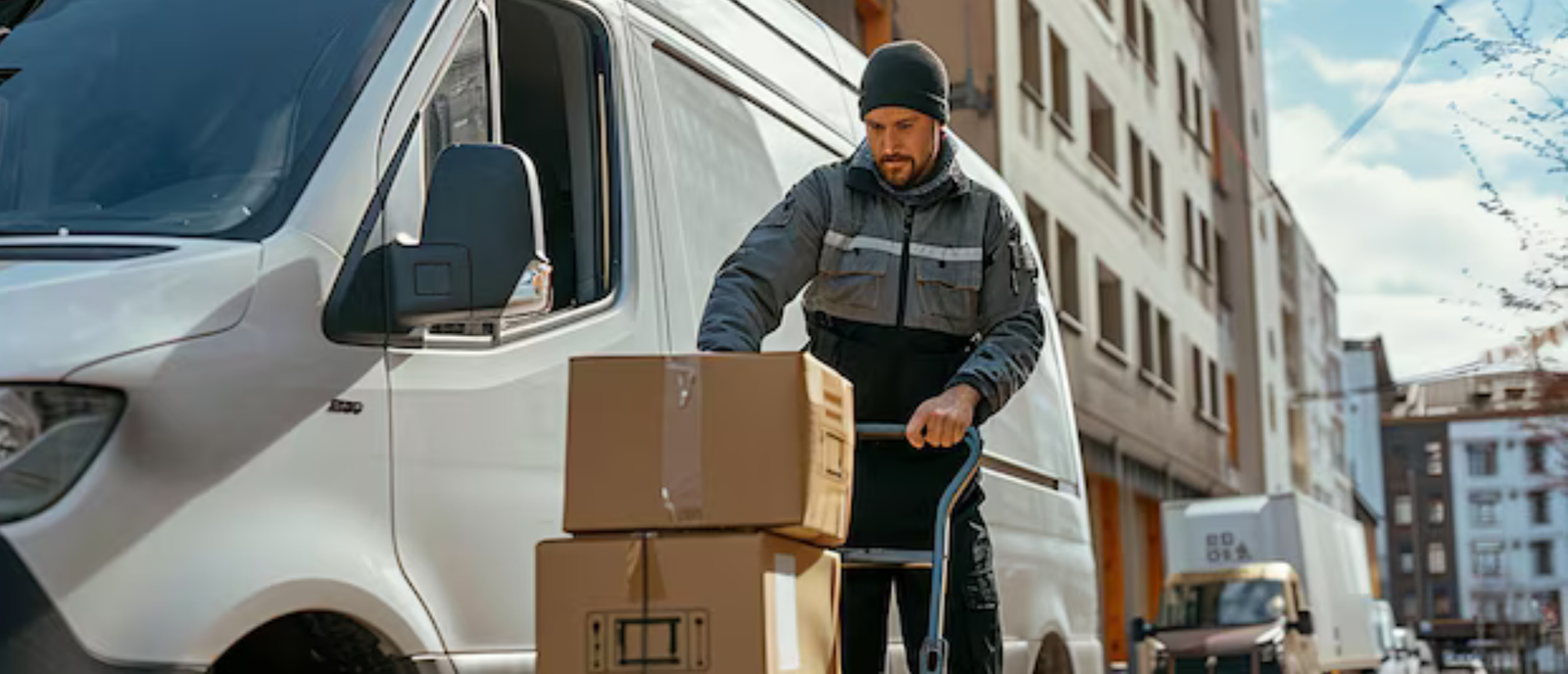
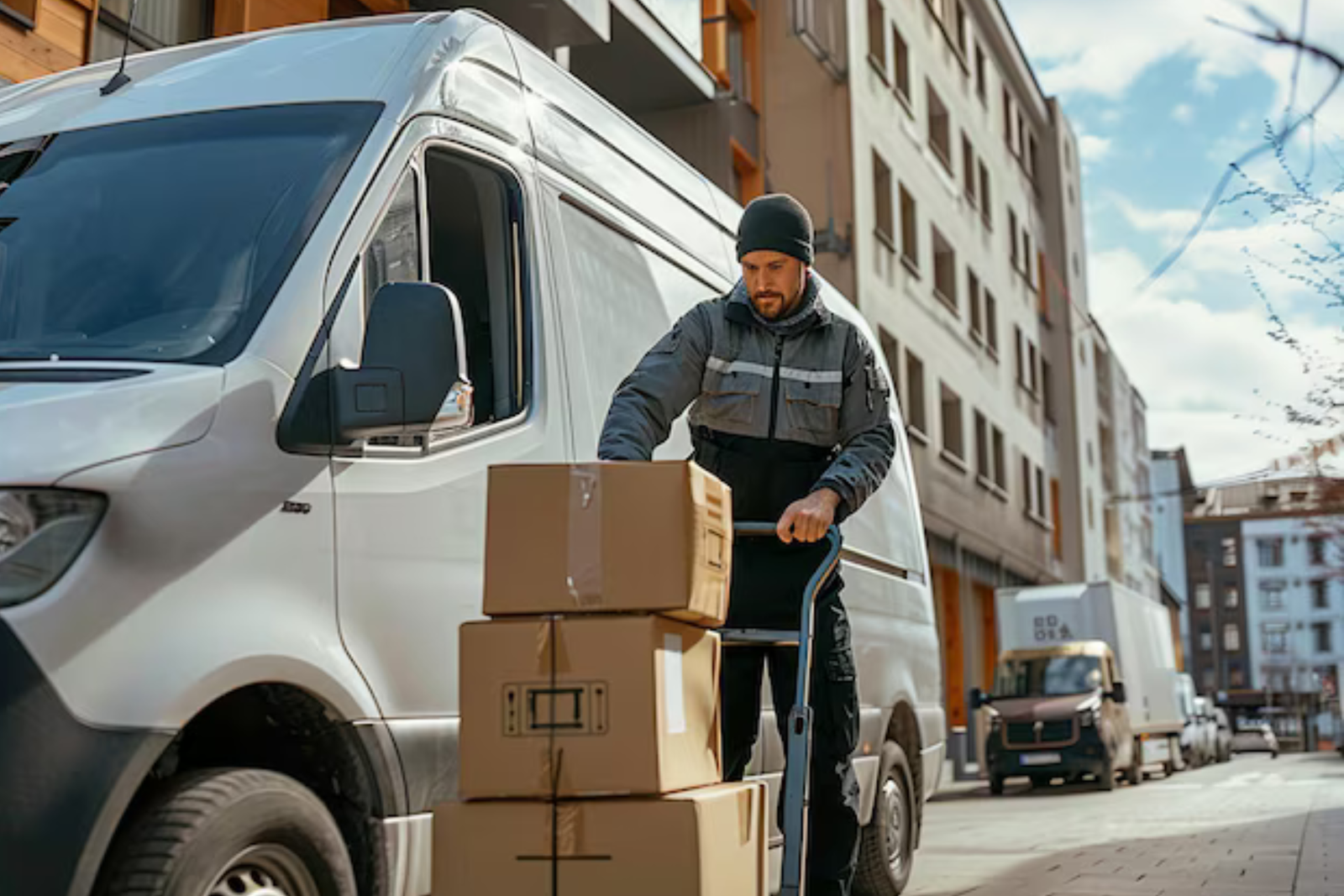
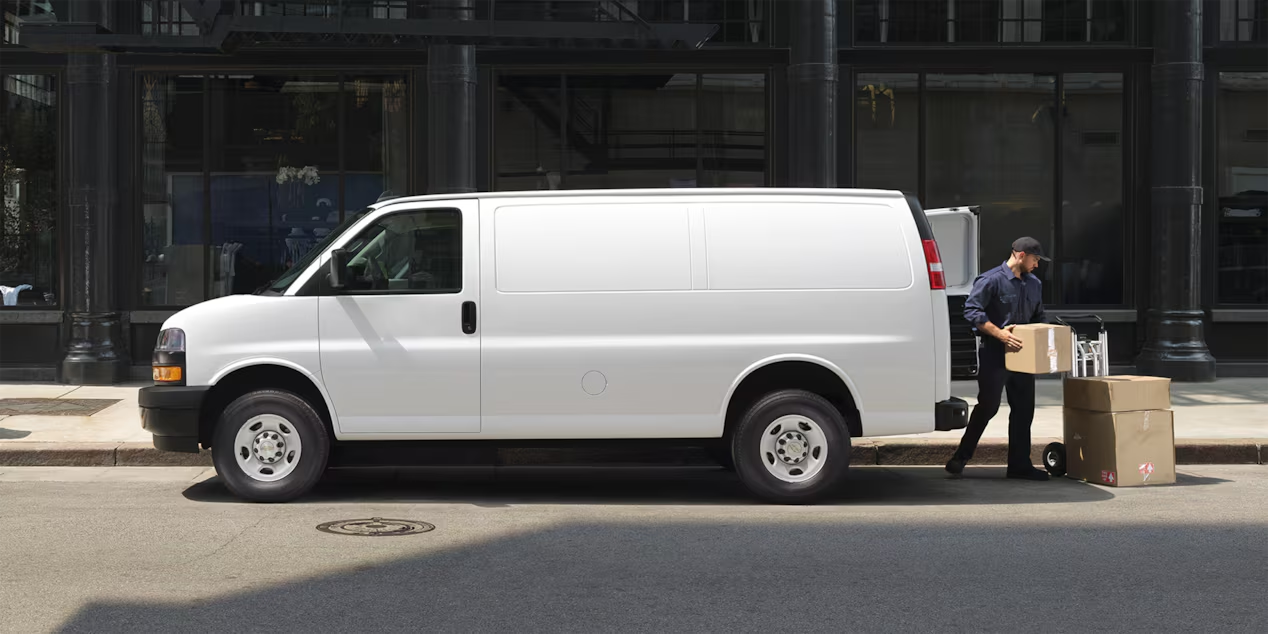
Cargo Van

● Local deliveries (packages, parcels, food products, small equipment, sensitive documents, including accounting files, legal paperwork, contracts, cheques, and other confidential materials,)
● Courier and last-mile delivery services like Amazon, FedEx, UPS
● Trades and service work (plumbers, electricians, HVAC technicians store tools and parts inside)
● Small business transport (flower shops, bakeries, cleaners, catering, etc.)
● Secure and weather-protected transport of items that shouldn’t be exposed to the elements
● Urban or tight-space operations where larger box trucks would be impractical
● Low-volume freight that doesn’t require a full-size dry van or box truck

Cargo Van

● Local deliveries (packages, parcels, food products, small equipment, sensitive documents, including accounting files, legal paperwork, contracts, cheques, and other confidential materials,)
● Courier and last-mile delivery services like Amazon, FedEx, UPS
● Trades and service work (plumbers, electricians, HVAC technicians store tools and parts inside)
● Small business transport (flower shops, bakeries, cleaners, catering, etc.)
● Secure and weather-protected transport of items that shouldn’t be exposed to the elements
● Urban or tight-space operations where larger box trucks would be impractical
● Low-volume freight that doesn’t require a full-size dry van or box truck

In simple terms:

➡ A cargo van is the light-duty, city-friendly version of a dry box truck.
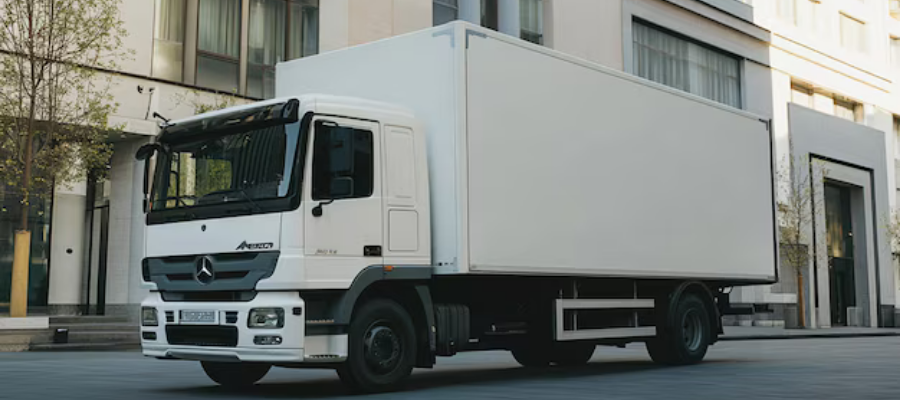
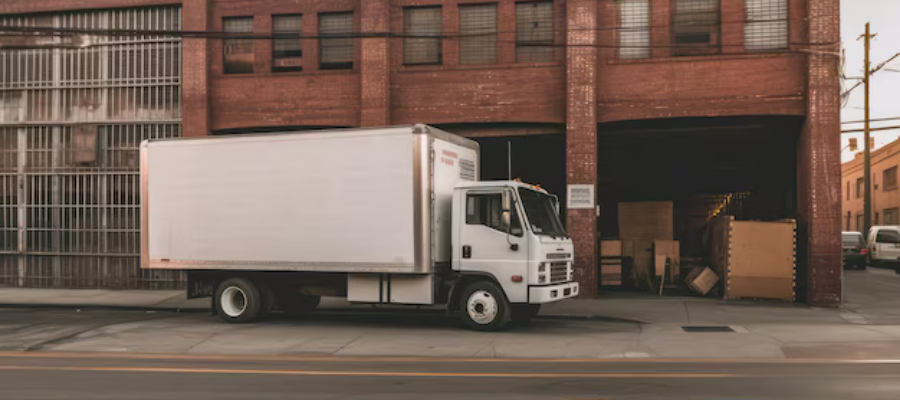
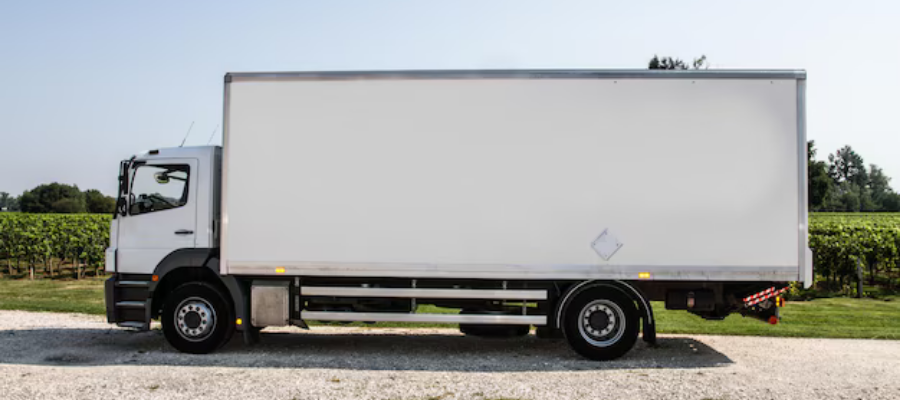
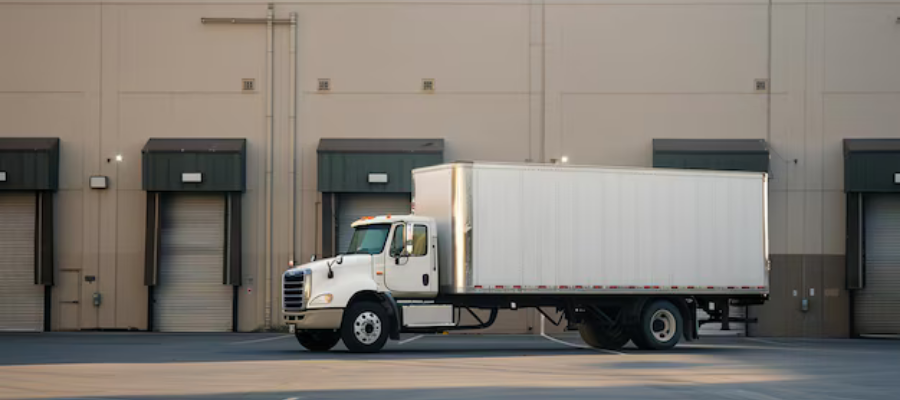
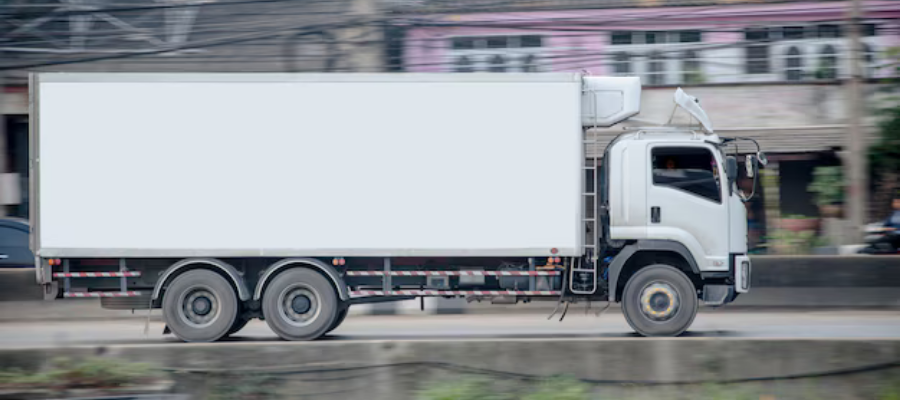
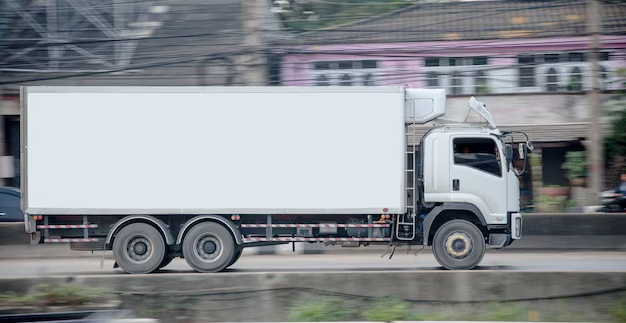
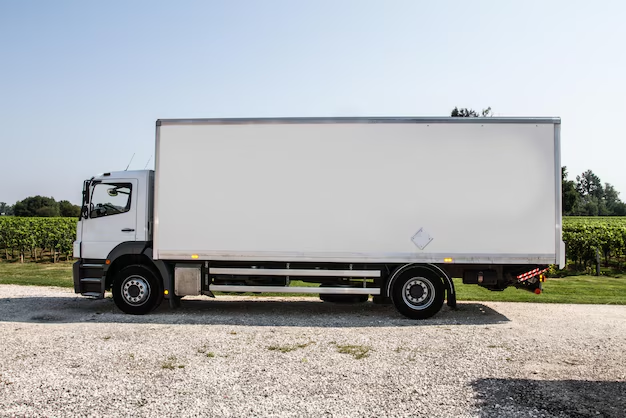
Dry Box Truck (Dry Van Truck)

A dry box truck is typically used for:
● General freight delivery that does not require refrigeration
● Retail and store replenishment (pallets, packaged goods, inventory)
● Furniture, appliance, and household moving
● Parcel and courier operations that need more capacity than a cargo van
● Weather-protected transport of boxed, palletized, or packaged freight
● Local to regional routes where maneuverability matters more than trailer size

In simple terms:

➡ A dry box truck is an enclosed, non-refrigerated truck for general everyday freight.
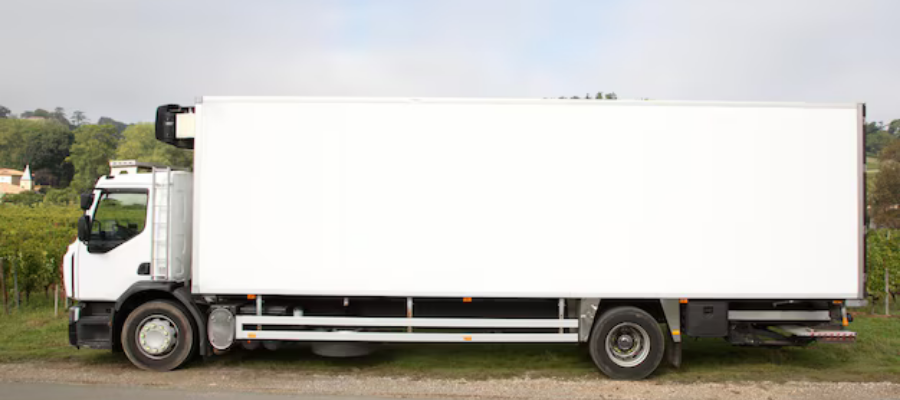
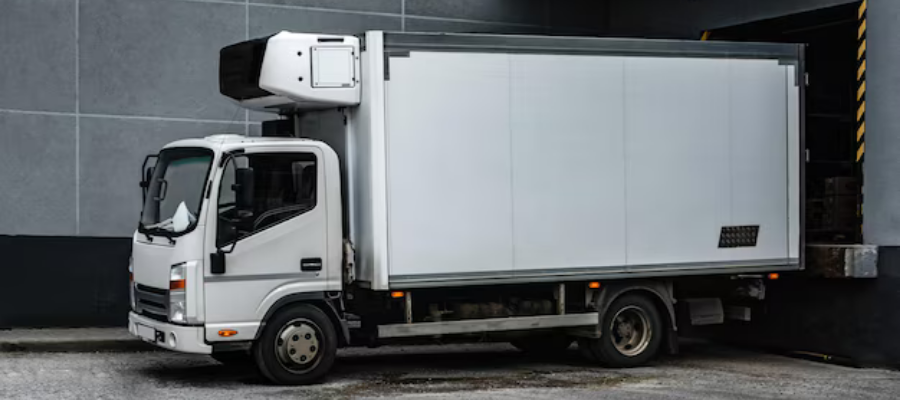
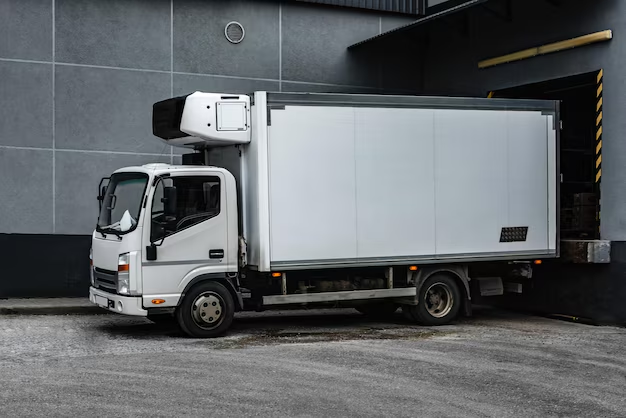
Reefer Box Truck

A reefer box truck is typically used for:
● Temperature-controlled deliveries (produce, meat, dairy, frozen goods, pharmaceuticals)
● Local and regional refrigerated transport for grocery stores, restaurants, and distributors
● Products requiring strict temperature ranges during short-distance hauling
● Medical and lab specimen transport that must remain cold
● Catering companies and food service suppliers
● Businesses needing both refrigeration and mobility for city routes

In simple terms:

➡ A reefer box truck is a refrigerated version of a dry box truck used for cold or frozen freight.
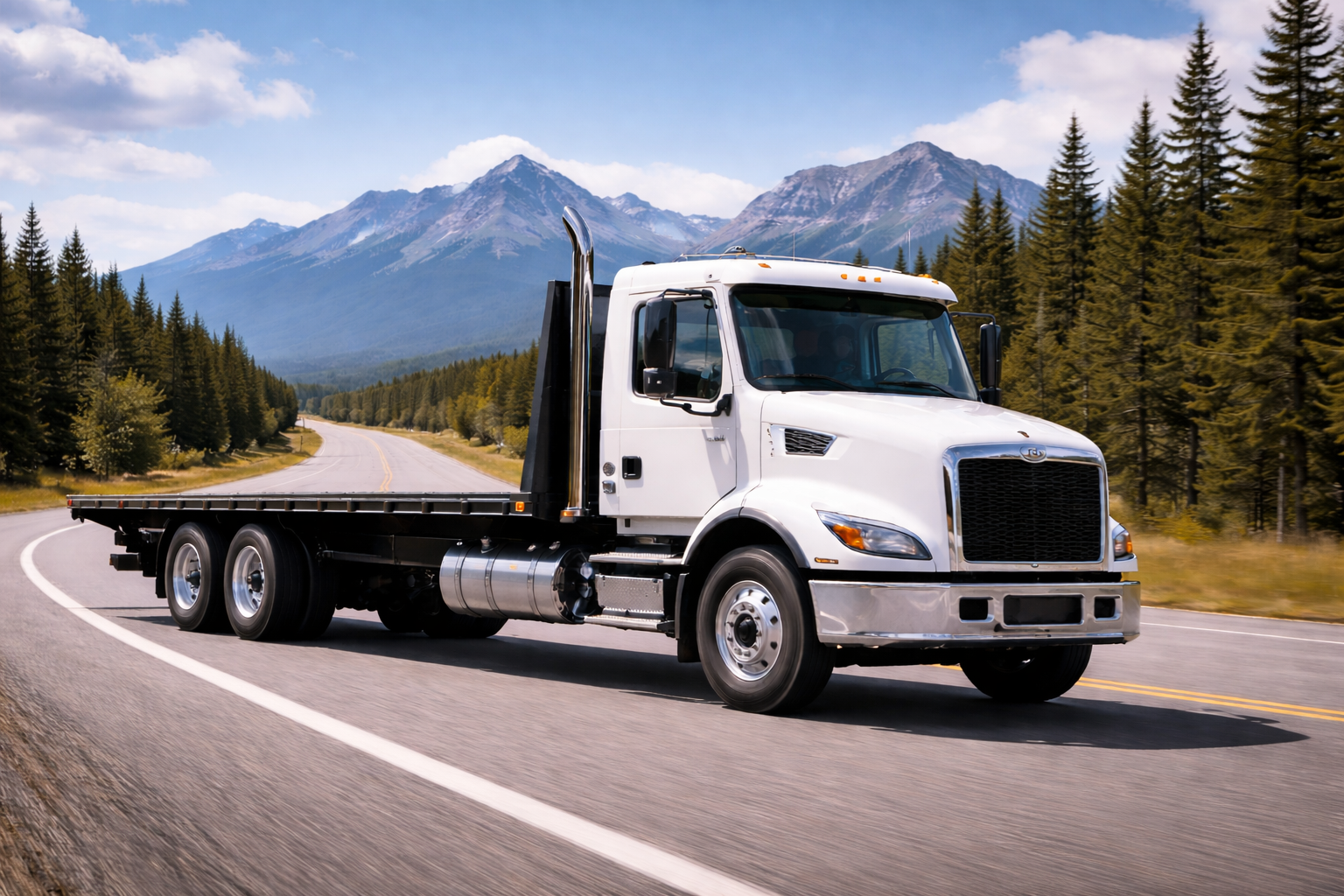
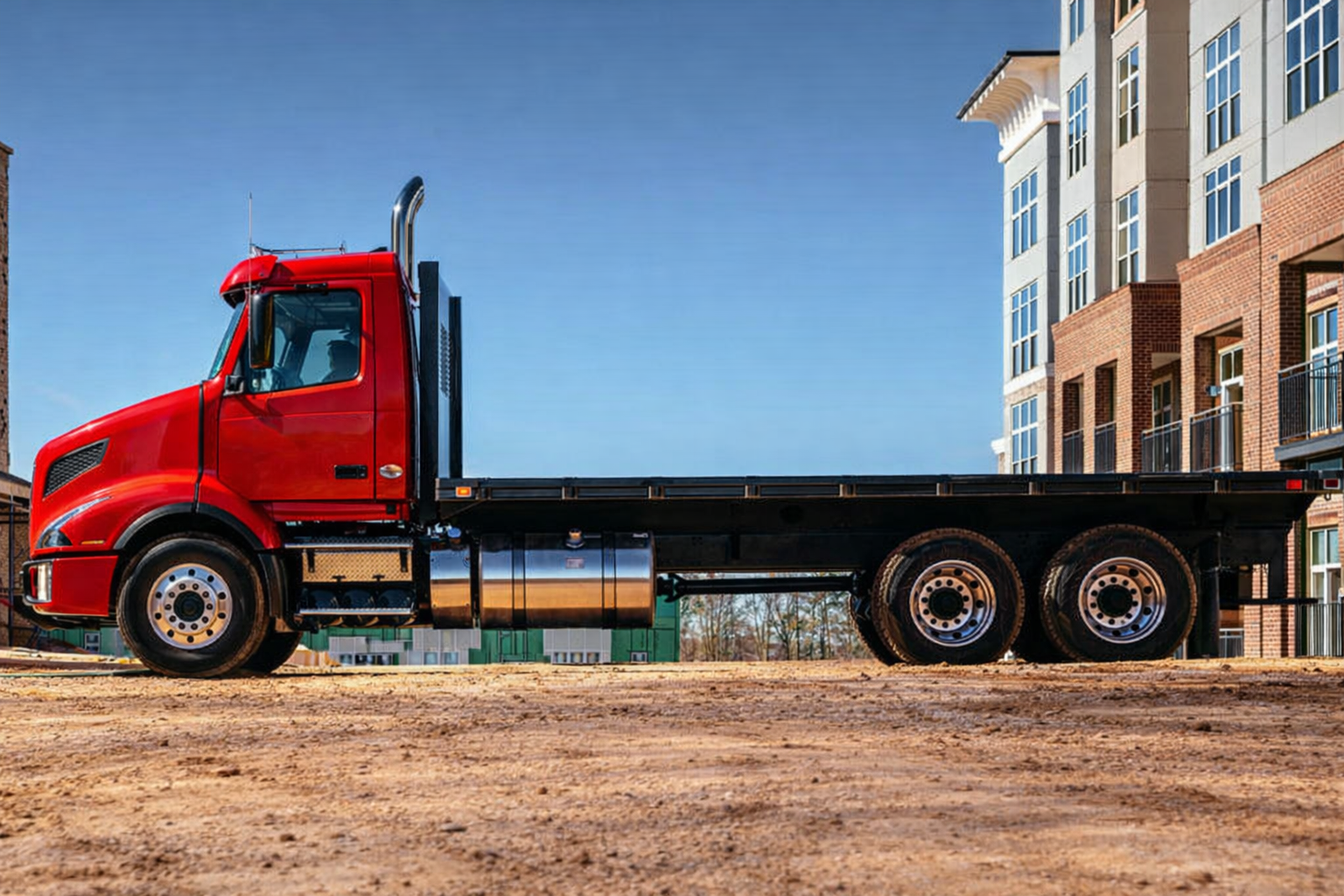
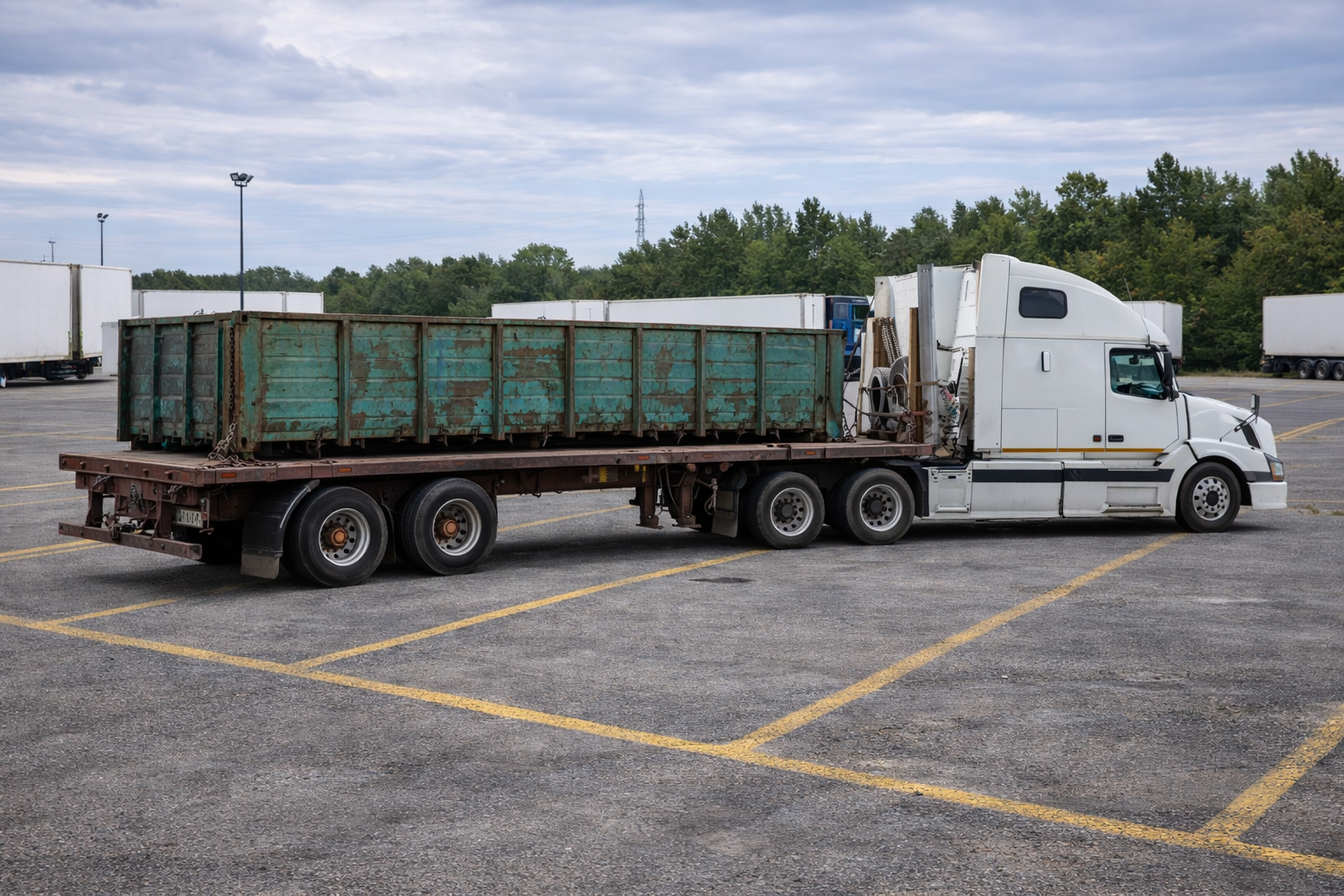
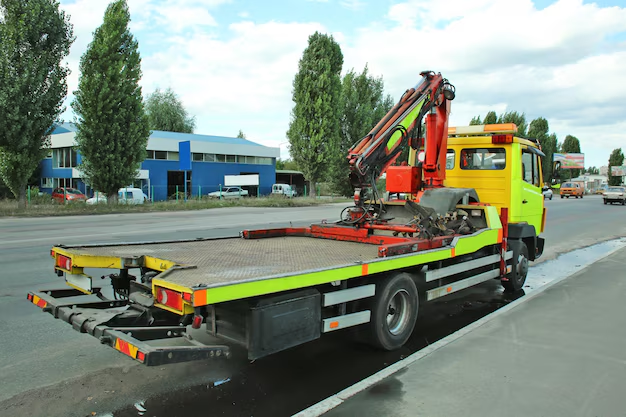
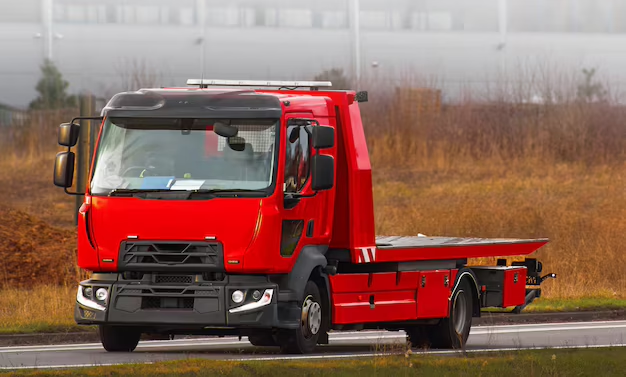
Flat Bed Truck

A flat bed truck is typically used for:
● Oversized or irregular-shaped freight that cannot fit inside a box or trailer
● Construction materials like lumber, steel, and pipe
● Heavy equipment transport such as generators, forklifts, and machinery 
● Deliveries requiring loading from the sides or top
● Freight that is durable and not affected by weather
● Short-haul and regional construction, industrial, and agricultural work

In simple terms:

➡ A flat bed truck carries large, heavy, or odd-shaped items that need open deck loading.
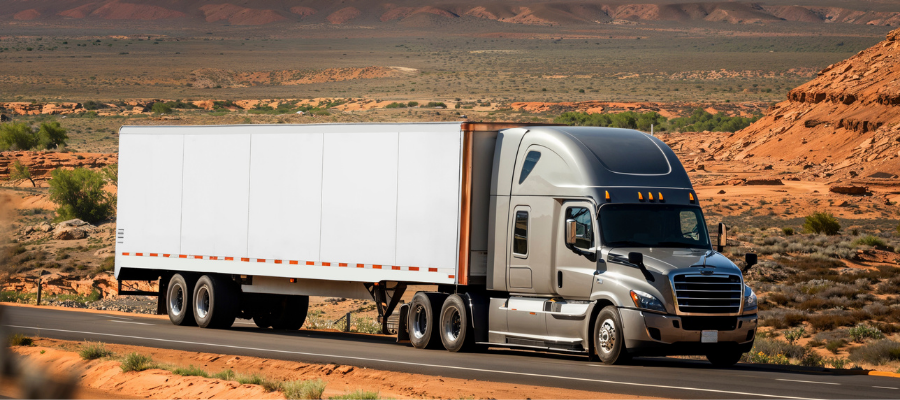
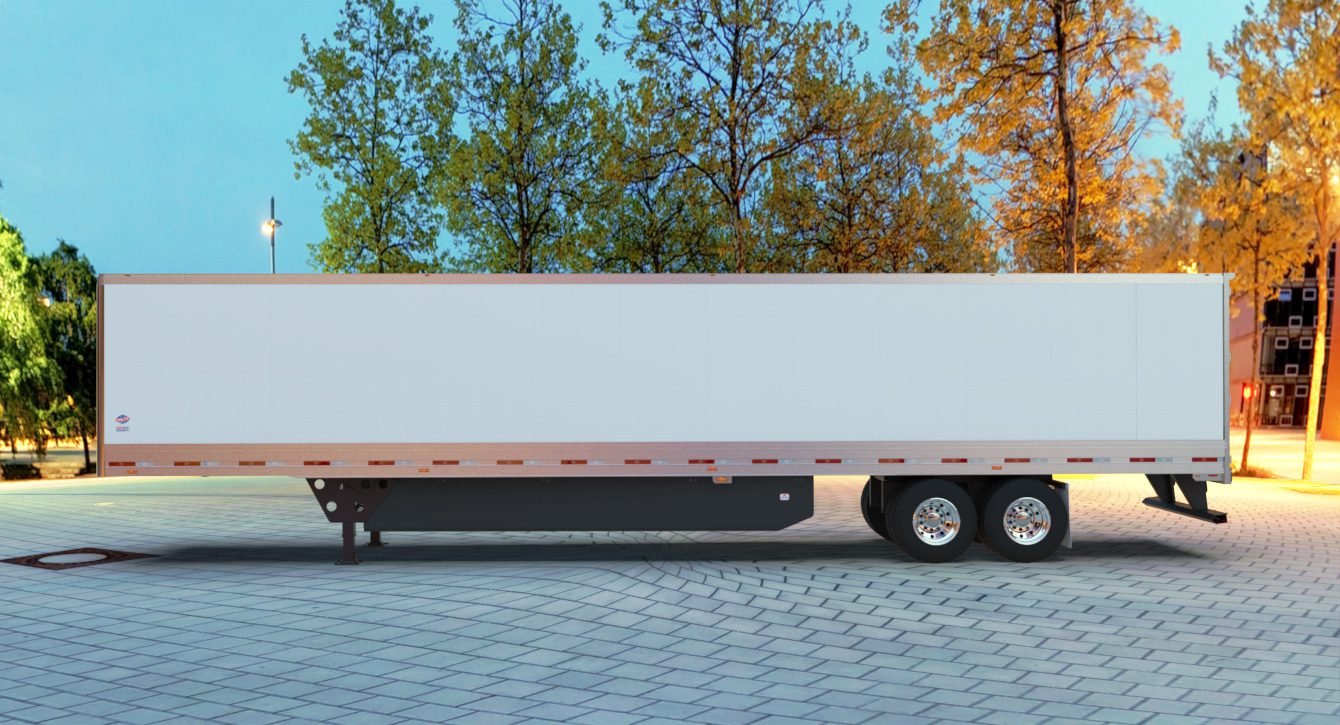
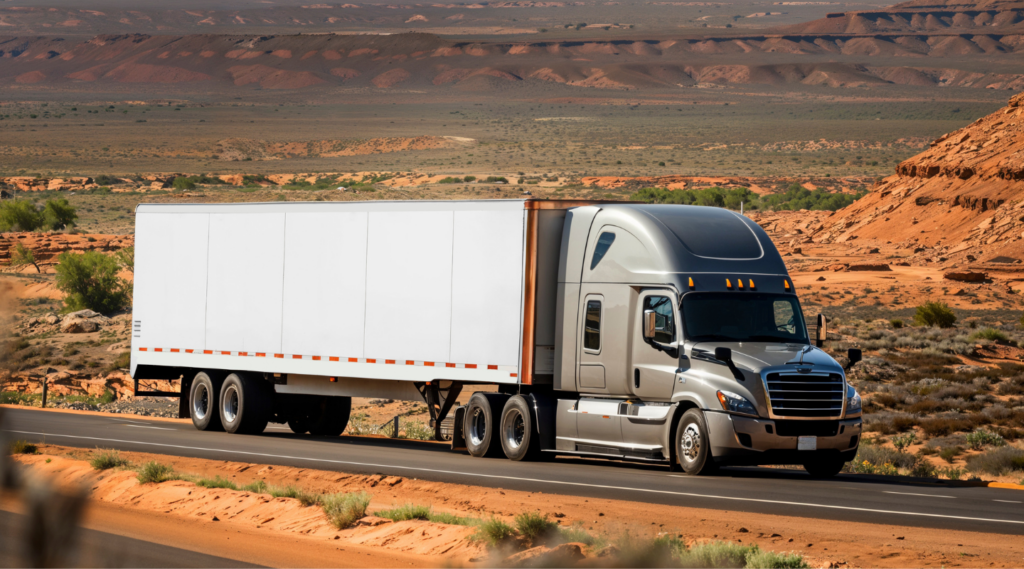
Dry Trailer (Dry Van Trailer)

A dry trailer is typically used for:

● Most general freight in trucking — the industry’s most common trailer
● Palletized, boxed, or packaged goods
● Retail distribution, e-commerce, manufacturing freight
● Weather-protected long-haul and regional transport
● LTL and FTL shipments (Less-Than-Truckload / Full Truckload)
● Any freight that doesn’t need refrigeration

In simple terms:

➡ A dry trailer is the standard enclosed trailer used for regular freight nationwide.
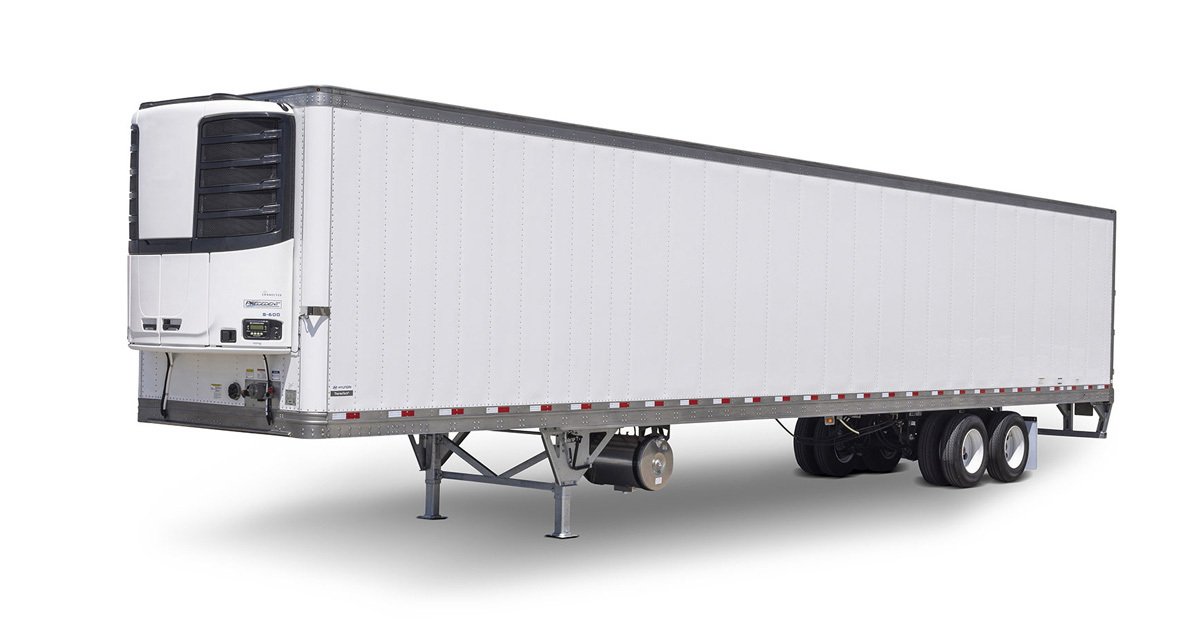
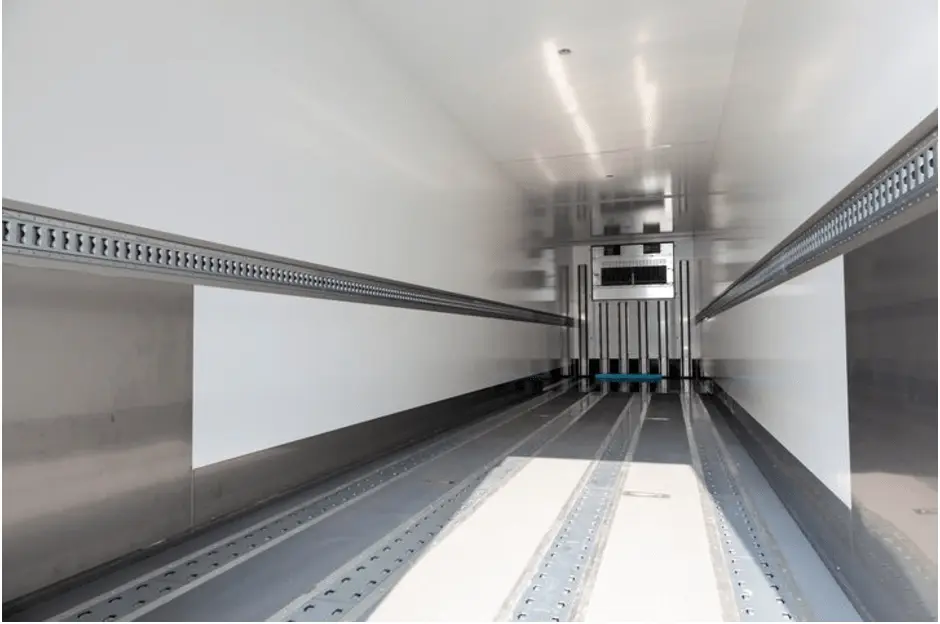
Reefer Trailer

A reefer trailer is typically used for:
● Long-haul refrigerated freight across states or regions
● Frozen and perishable goods (ice cream, produce, meat, pharmaceuticals)
● Cold chain logistics requiring precise temperature control
● High-value temperature-sensitive shipments
● Food distribution centers, grocery chains, medical suppliers
● Loads needing continuous cooling or freezing from pickup to delivery

In simple terms:

➡ A reefer trailer is a large refrigerated semi-trailer for long-distance cold or frozen loads.
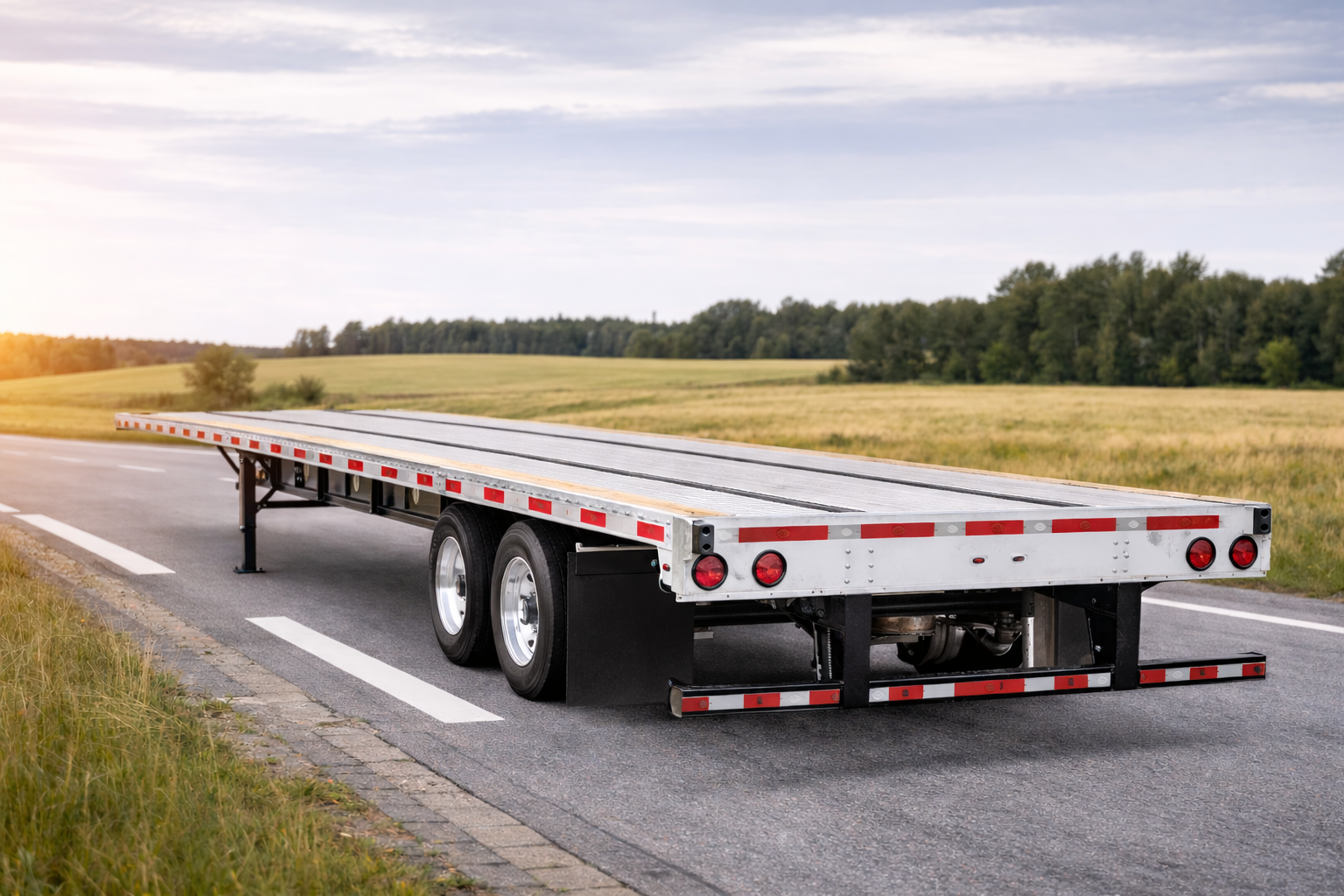
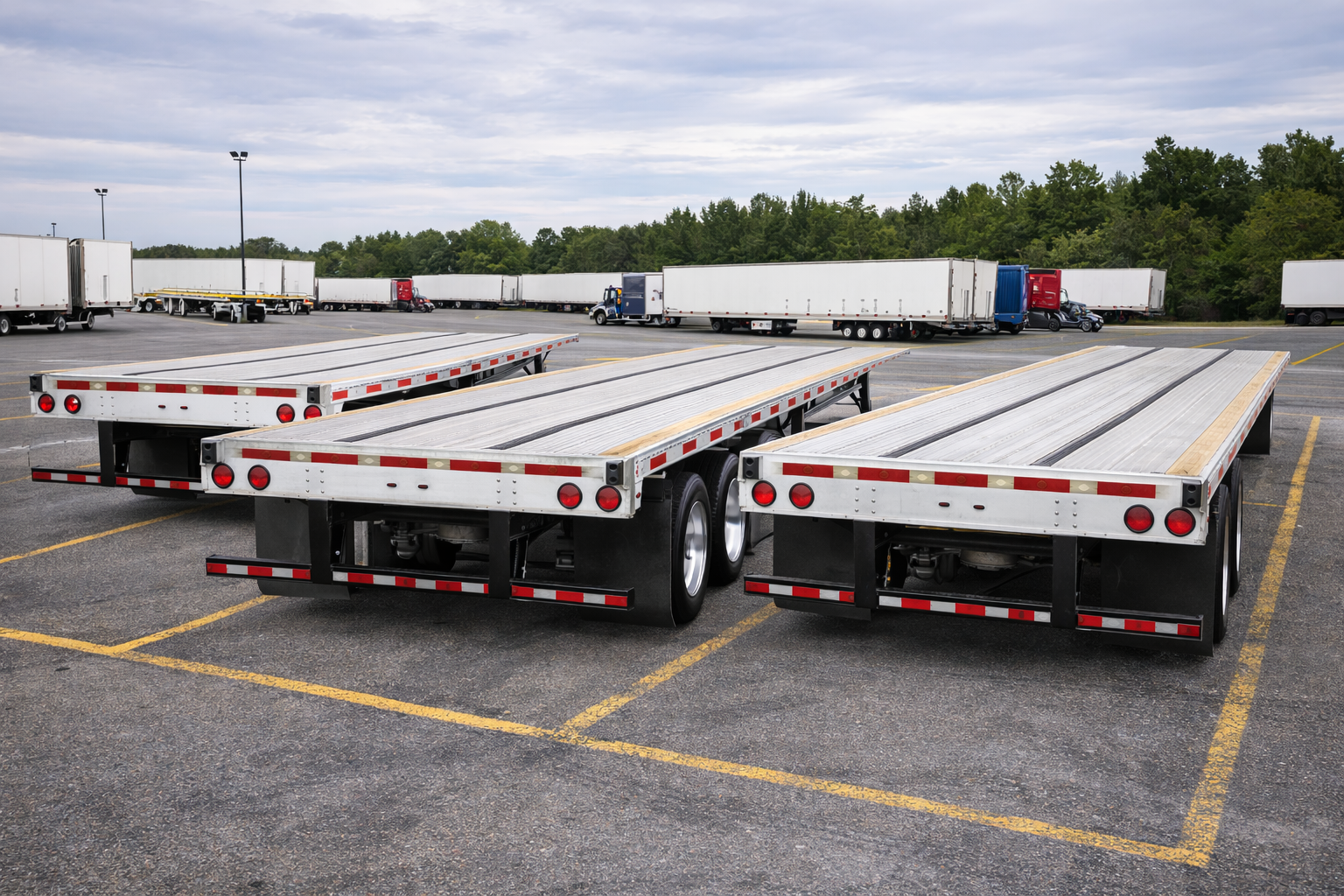
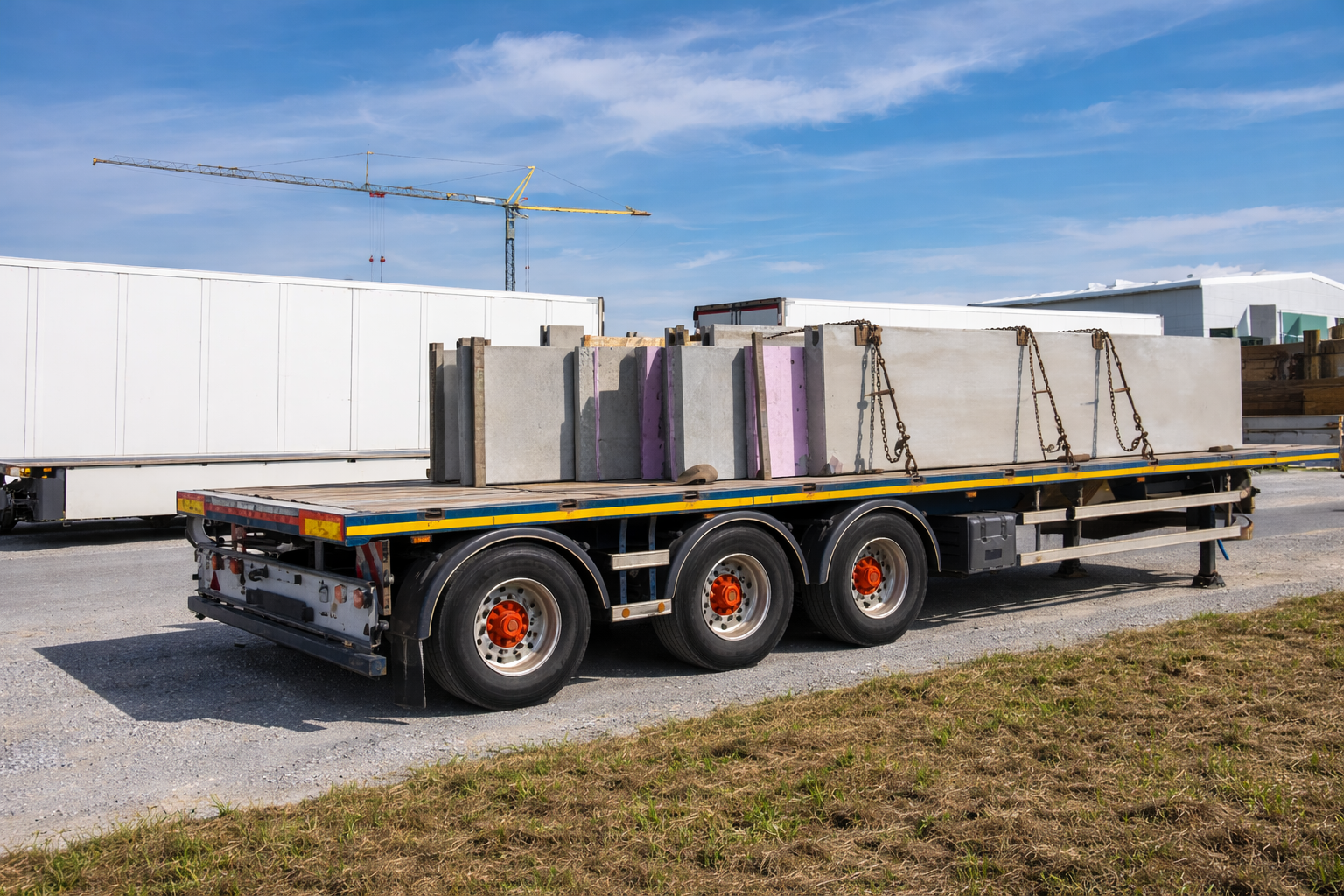
Flat Bed Trailer

A flat bed trailer is typically used for:
● Oversized freight like steel beams, concrete, big machinery, lumber
● Construction and industrial hauling
● Loads that must be crane-loaded from the top or sides
● Freight too wide or tall for a dry van trailer
● Heavy-duty materials that can handle weather exposure
● Special permits or escort loads for extra-wide cargo

In simple terms:

➡ A flat bed trailer is an open-deck semi-trailer for heavy, oversized, or irregular loads.
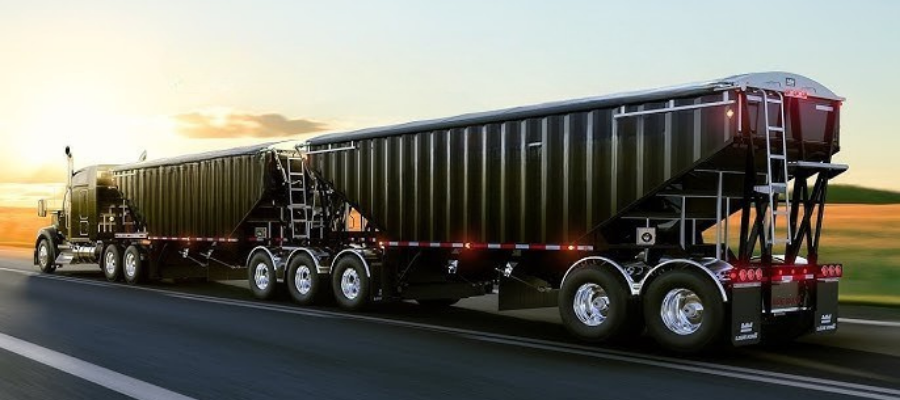
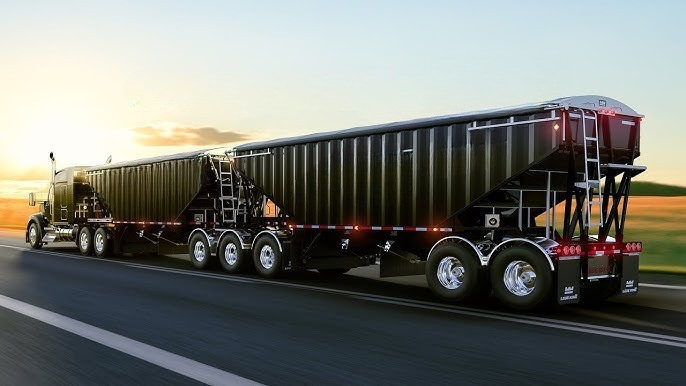
Super B Hopper Trailer

Coming Soon

A Super B hopper trailer is typically used for:
● Transporting grain, seeds, and fertilizer for agriculture
● Hauling frac sand, gravel, and other bulk construction materials
● Moving pellets, feed, and other granular industrial products
● Efficiently unloading through bottom hoppers for quick, controlled delivery
● Long-haul or regional routes requiring large volume capacity
● Protecting bulk dry materials from moisture, contamination, and loss
● Supporting intermodal or multi-stop deliveries where bulk materials need fast offload

In simple terms:
➡️ A Super B hopper trailer is a large, high-capacity trailer with bottom hoppers, perfect for hauling bulk dry goods like grain, seeds, fertilizer, frac sand, gravel, pellets, or feed—making unloading fast and efficient while keeping materials safe and dry

Cargo Van

● Local deliveries (packages, parcels, food products, small equipment, sensitive documents, including accounting files, legal paperwork, contracts, cheques, and other confidential materials,)
● Courier and last-mile delivery services like Amazon, FedEx, UPS
● Trades and service work (plumbers, electricians, HVAC technicians store tools and parts inside)
● Small business transport (flower shops, bakeries, cleaners, catering, etc.)
● Secure and weather-protected transport of items that shouldn’t be exposed to the elements
● Urban or tight-space operations where larger box trucks would be impractical
● Low-volume freight that doesn’t require a full-size dry van or box truck

Dry Box Truck (Dry Van Truck)

A dry box truck is typically used for:
● General freight delivery that does not require refrigeration
● Retail and store replenishment (pallets, packaged goods, inventory)
● Furniture, appliance, and household moving
● Parcel and courier operations that need more capacity than a cargo van
● Weather-protected transport of boxed, palletized, or packaged freight
● Local to regional routes where maneuverability matters more than trailer size

Reefer Box Truck

A reefer box truck is typically used for:
● Temperature-controlled deliveries (produce, meat, dairy, frozen goods, pharmaceuticals)
● Local and regional refrigerated transport for grocery stores, restaurants, and distributors
● Products requiring strict temperature ranges during short-distance hauling
● Medical and lab specimen transport that must remain cold
● Catering companies and food service suppliers
● Businesses needing both refrigeration and mobility for city routes

Flat Bed Truck

A flat bed truck is typically used for:
● Oversized or irregular-shaped freight that cannot fit inside a box or trailer
● Construction materials like lumber, steel, and pipe
● Heavy equipment transport such as generators, forklifts, and machinery
● Deliveries requiring loading from the sides or top
● Freight that is durable and not affected by weather
● Short-haul and regional construction, industrial, and agricultural work

Dry Trailer (Dry Van Trailer)

A dry trailer is typically used for:

● Most general freight in trucking — the industry’s most common trailer
● Palletized, boxed, or packaged goods
● Retail distribution, e-commerce, manufacturing freight
● Weather-protected long-haul and regional transport
● LTL and FTL shipments (Less-Than-Truckload / Full Truckload)
● Any freight that doesn’t need refrigeration

Reefer Trailer

A reefer trailer is typically used for:
● Long-haul refrigerated freight across states or regions
● Frozen and perishable goods (ice cream, produce, meat, pharmaceuticals)
● Cold chain logistics requiring precise temperature control
● High-value temperature-sensitive shipments
● Food distribution centers, grocery chains, medical suppliers
● Loads needing continuous cooling or freezing from pickup to delivery

Flat Bed Trailer

A flat bed trailer is typically used for:
● Oversized freight like steel beams, concrete, big machinery, lumber
● Construction and industrial hauling
● Loads that must be crane-loaded from the top or sides
● Freight too wide or tall for a dry van trailer
● Heavy-duty materials that can handle weather exposure
● Special permits or escort loads for extra-wide cargo

Coming Soon

Super B Hopper Trailer
A Super B hopper trailer is typically used for:
● Transporting grain, seeds, and fertilizer for agriculture
● Hauling frac sand, gravel, and other bulk construction materials
● Moving pellets, feed, and other granular industrial products
● Efficiently unloading through bottom hoppers for quick, controlled delivery
● Long-haul or regional routes requiring large volume capacity
● Protecting bulk dry materials from moisture, contamination, and loss
● Supporting intermodal or multi-stop deliveries where bulk materials need fast offload

In simple terms:
➡️ A Super B hopper trailer is a large, high-capacity trailer with bottom hoppers, perfect for hauling bulk dry goods like grain, seeds, fertilizer, frac sand, gravel, pellets, or feed—making unloading fast and efficient while keeping materials safe and dry